
Closed Cell or Open Cell Foam - Their Uses & Properties

Closed Cell or Open Cell Foam - Their Uses & Properties
Wednesday, May 22, 2024
Posted by Foam Supplier
Closed Cell or Open Cell Foam - Their Uses & Properties.
Foam materials, particularly closed cell and open cell foams, are widely used in various applications due to their unique properties. Here's an overview of both types, their properties, and common uses:

Closed Cell Foam
Properties:
1. Structure: Contains cells that are completely closed and packed (usually tightly) together. The cells are not interconnected, creating a denser and more rigid structure.
2. Density: Generally higher density than open cell foam, making it more robust and durable, with the exception of PE foam Insulation materials which can be as light as open cell foam type products.
3. Water Resistance: Excellent water resistance due to the closed cells, which prevent water from penetrating the foam.
4. Insulation: Superior thermal insulation properties because the trapped gases within the cells minimize heat transfer. This varies upon density mix and chemical composition.
5. Strength: More resistant to compression and deformation, providing greater structural integrity.
6. Buoyancy: High buoyancy due to the encapsulated air, making many closed cell foam products ideal for flotation devices.
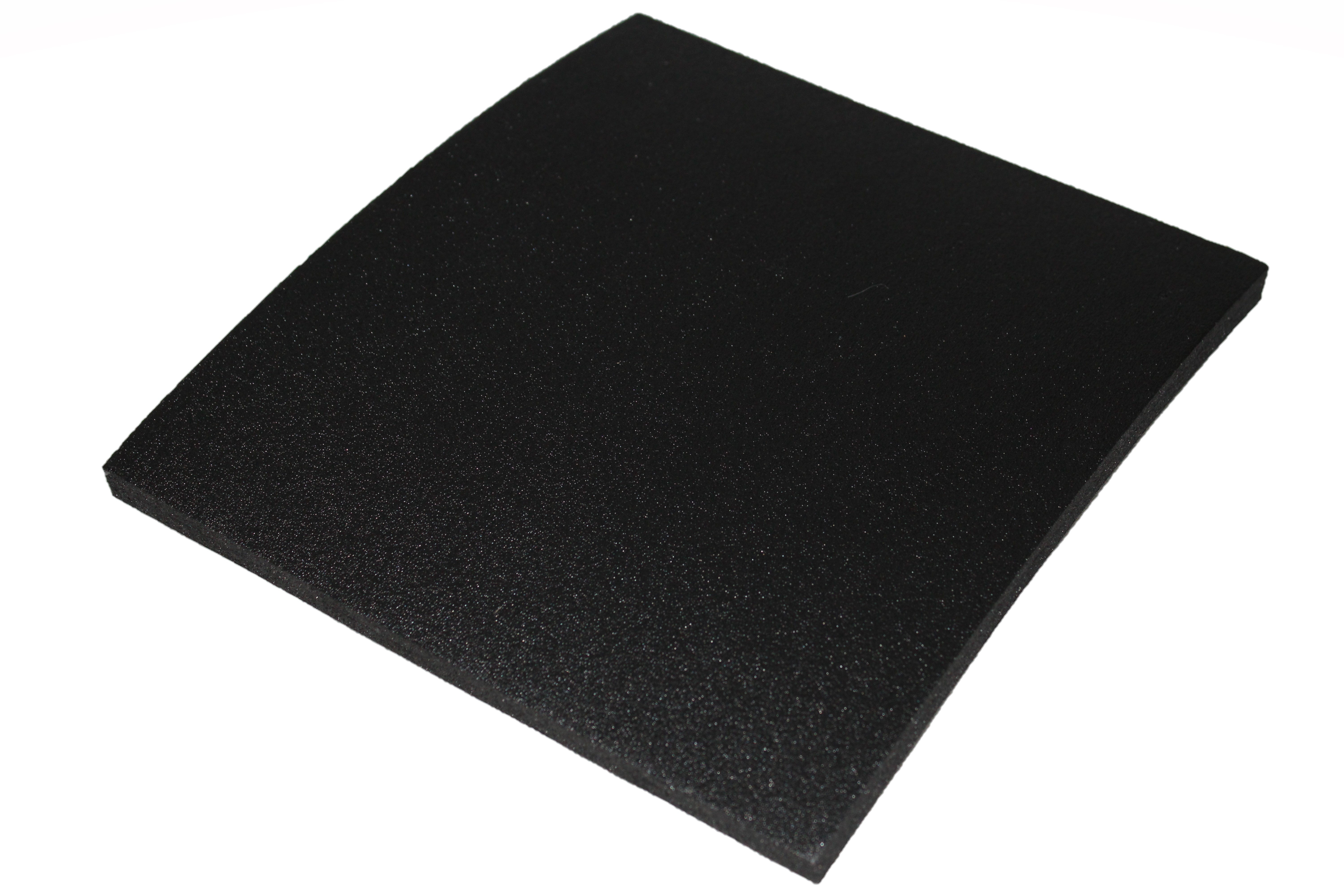
Uses:
1. Insulation: Used in building insulation panels, pipe insulation, and roofing materials due to certain closed cell foam's thermal resistance.
2. Packaging: Closed cell foam can protect delicate items during shipping because of its shock-absorbing qualities.
3. Marine Applications: Used in life jackets, buoyancy aids, and dock floats because it does not absorb water.
4. Sporting Goods: Found in helmets, knee pads, and other protective gear due to its impact resistance.
5. Soundproofing: Applied in soundproofing applications where moisture resistance is needed.
Open Cell Foam
Properties:
1. Structure: Contains cells that are open and interconnected, creating a softer, more flexible, and spongy texture.
2. Density: Generally open cell foam's density is lower than closed cell foam, resulting in lighter and more pliable material.
3. Air Permeability: Allows air and moisture to pass through, making the open cell foam breathable.
4. Insulation: Provides good sound absorption and moderate thermal insulation.
5. Cost: Typically less expensive due to lower material density and production costs, with the exception of Class 0 variants as they are impregnated with high concerntrations of flame retardant chemicals.

Uses:
1. Soundproofing: Commonly used in acoustic panels, studio foam, and other sound absorption applications due to its ability to trap sound waves.
2. Cushioning: Used in furniture, mattresses, and pillows for its soft, comfortable, and supportive properties.
3. Packaging: Employed for lightweight cushioning and padding materials where water resistance is not a concern.
4. Filtration: Utilised in air filters, water filters, and other filtration systems where the open cell structure allows fluid flow.
5. Insulation: Applied in certain building applications where breathability is desired, such as wall cavities.
Comparative Summary
Closed Cell Foam: Dense, rigid, water-resistant, excellent thermal insulation, high strength, and buoyancy. Best for applications requiring durability, water resistance, and structural support.
Open Cell Foam: Soft, flexible, breathable, good sound absorption, and cost-effective. Ideal for cushioning, soundproofing, and applications where air permeability is beneficial.
Each type of foam has distinct advantages and is chosen based on the specific requirements of the application. Understanding these properties helps in selecting the appropriate foam for various industrial, commercial, and consumer uses.
Optional, for replies

Thursday, March 26, 2026
Class 0 Closed Cell Foam Insulation For Sound Reduction In Stud Wall
Introduction We all know the struggle of dealing with noisy neighbours. Whether it s a late-night party or the dreaded sound of a washing machine running at 5 AM, noise can be a real nuisance. But fear not! With SIOPCELL Foam , you can turn your stud walls into a fortress of silence. What is SIOPCELL Foam? SIOPCELL is a class 0 foam insulation product designed specifically for soundproofing. This 19mm foam is not just any insulation; it s engineered to absorb sound waves, making it the perfect s

Tuesday, January 20, 2026
Maximizing Performance with Class 0 Closed Cell and Open Cell Foam Insulation
Explore the benefits of Class 0 closed cell and open cell foam insulation combined with glass fibre foil blankets. Discover its applications, temperature stability, and easy application methods, ensuring optimal heat protection and acoustic performance.

Tuesday, January 20, 2026
Foam Supplier Closed Cell Foam Insulation Products with Glass Fiber Foil Faced Outer Shield
Class 0 Closed Cell Foam and Open Cell Foam with Glass Fiber Foil Blanket Welcome to our class 0 closed cell and open cell foam blog, here we will look at the uses for this product when combined with a glass fiber foil blanket on top. This provides heat protection and acoustic performance. The foil blanket link is below: Self Adhesive Body Protection Heat Shield Exhaust 500 Degrees Insulation Thermal Barrier 19mm Self Adhesive Class 0 Foam PVC Nitrile Insulation Sound Deadening Black 60-90Kg/m3